
basic physics research with impact on cutting-edge technologies
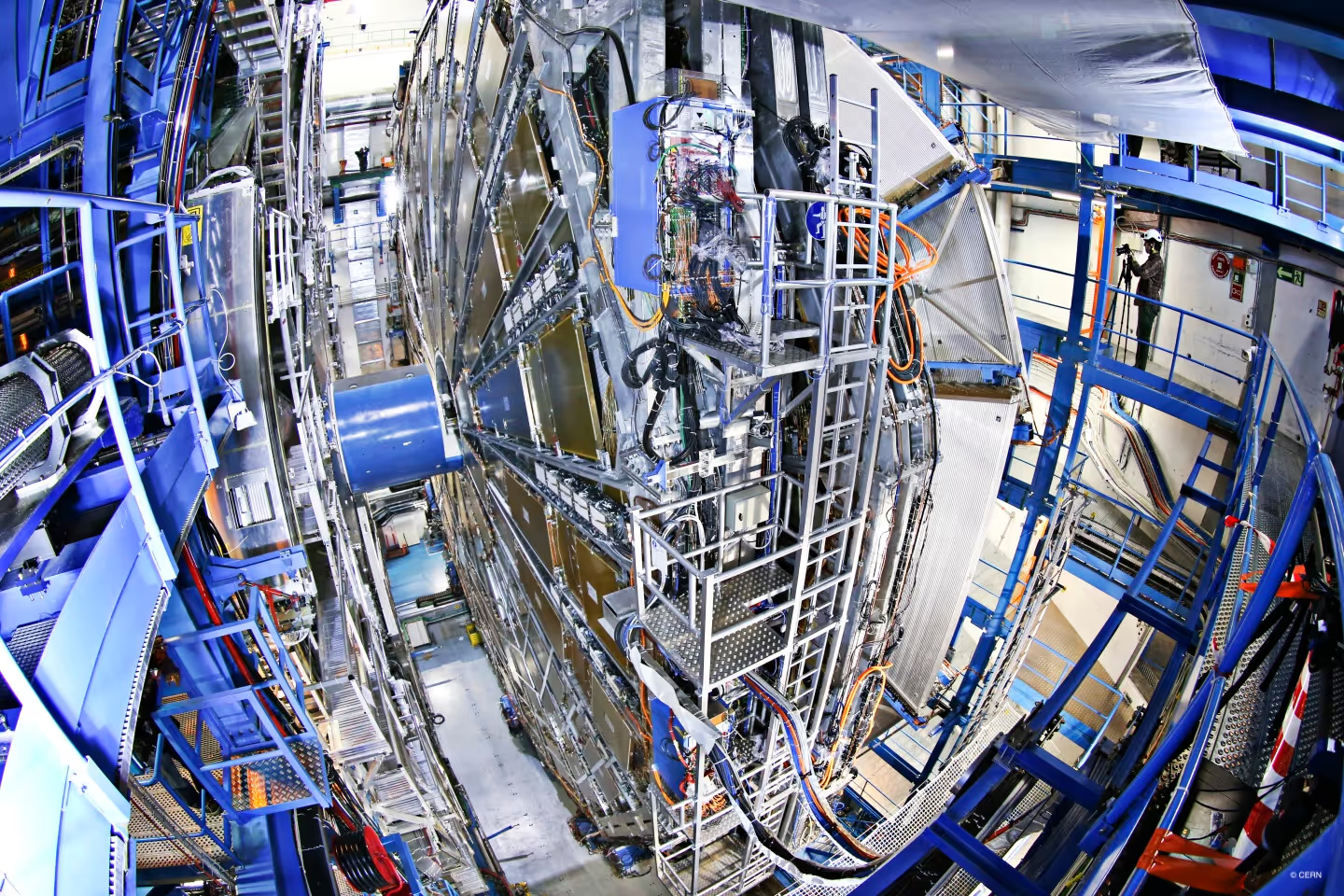
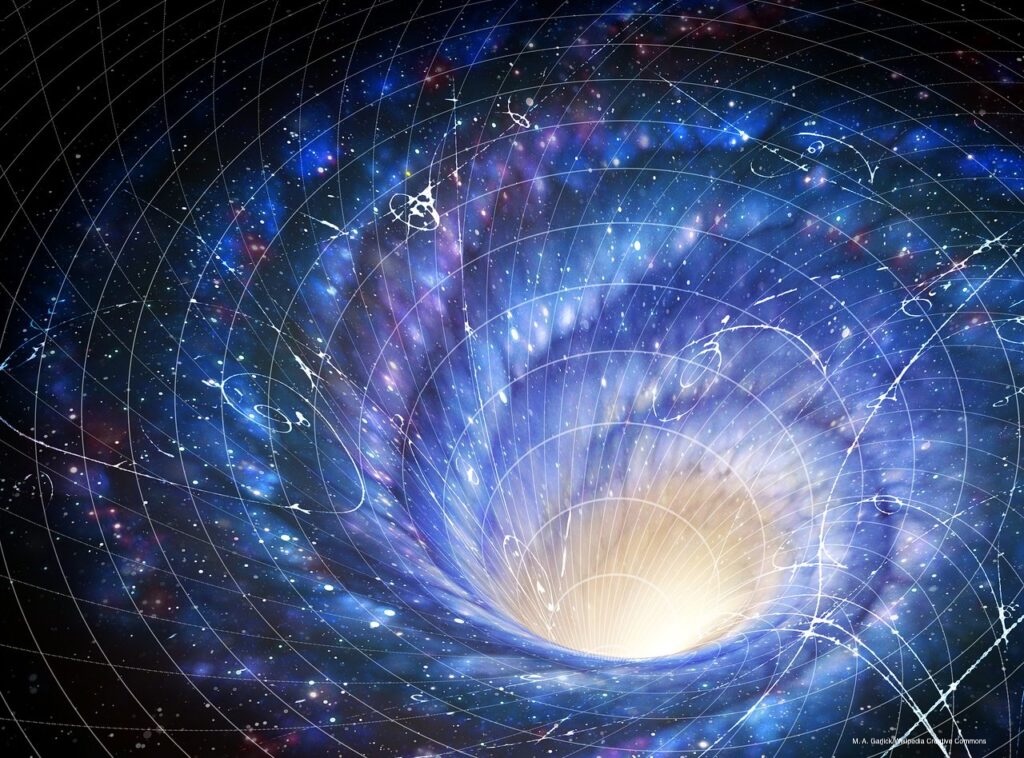
FORTE’s three interconnected research areas open a unique view into the universe, spanning the smallest particles to the largest cosmic structures. The consortium benefits from access to advanced technologies that far exceed standard industrial capabilities.
Research Themes at FORTE
Delving into the universe's fundamental mysteries
Experiments at forte
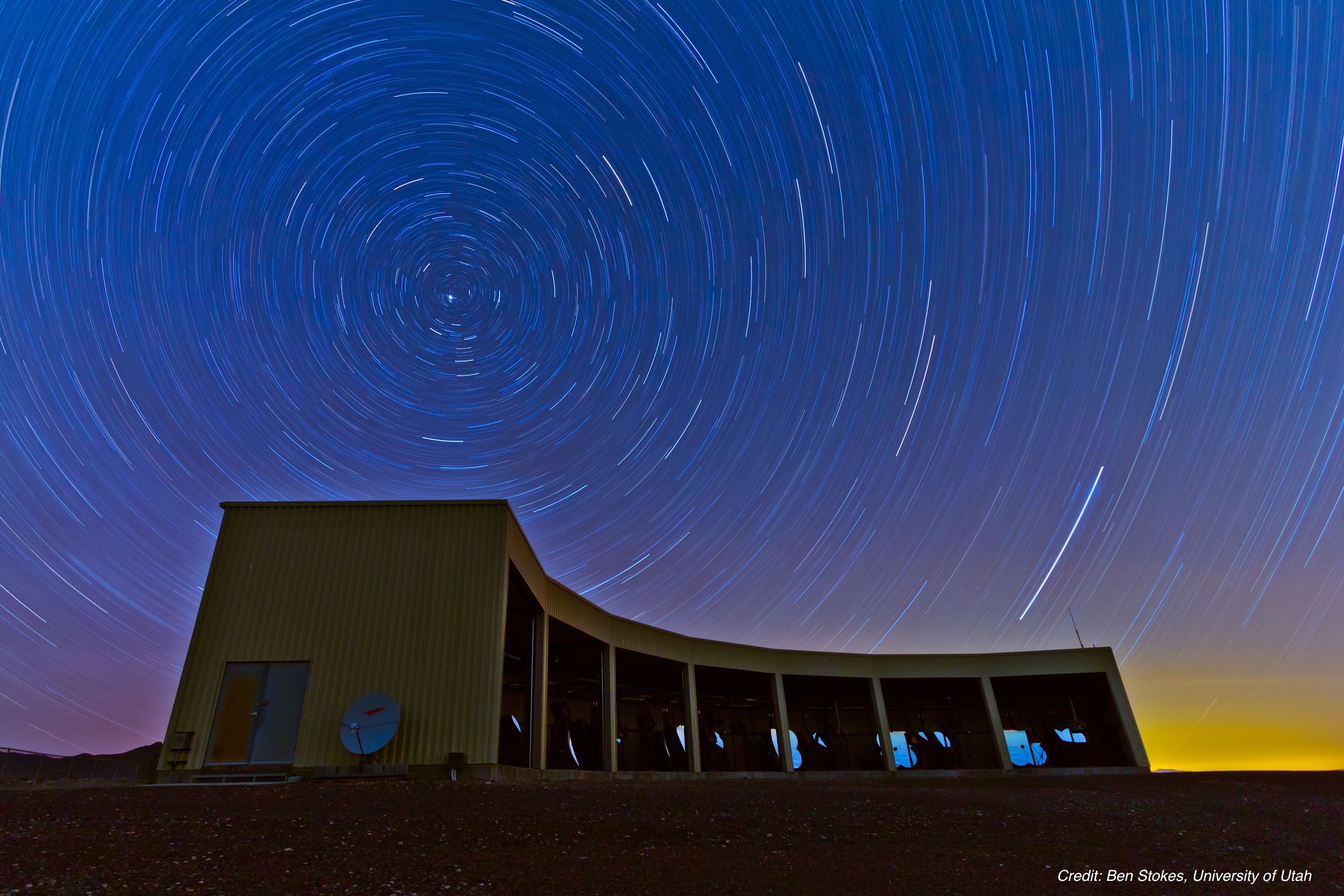
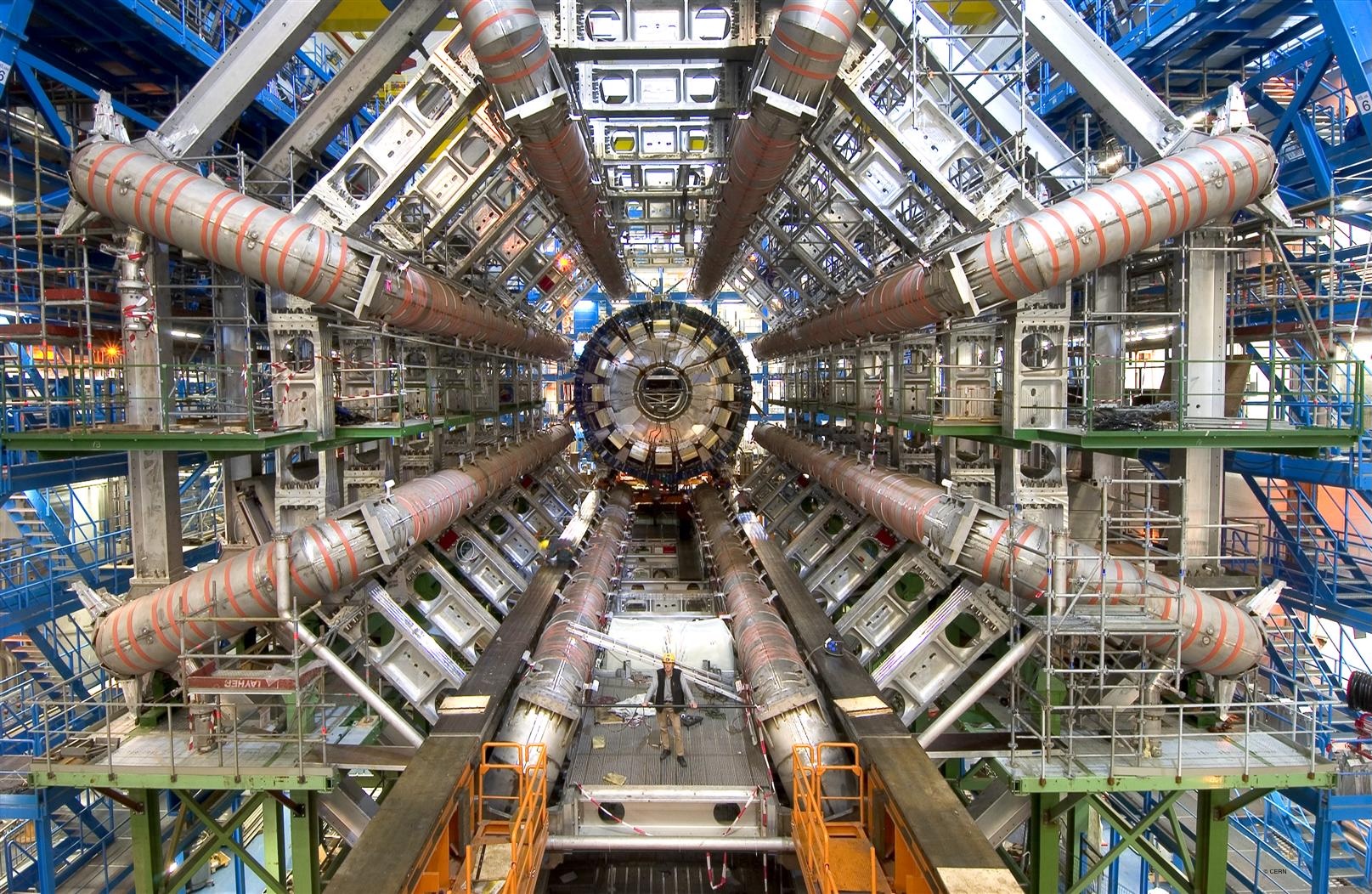
FORTE experimental science is executed within our globe-spanning network of international collaborations with laboratories and observatories. In each of our focus areas, we have teams at the best facilities where the world-class science is done. We will also be founding members of new collaborations associated with facilities scheduled for construction later in the decade.
Ongoing Experiments
.jpeg)
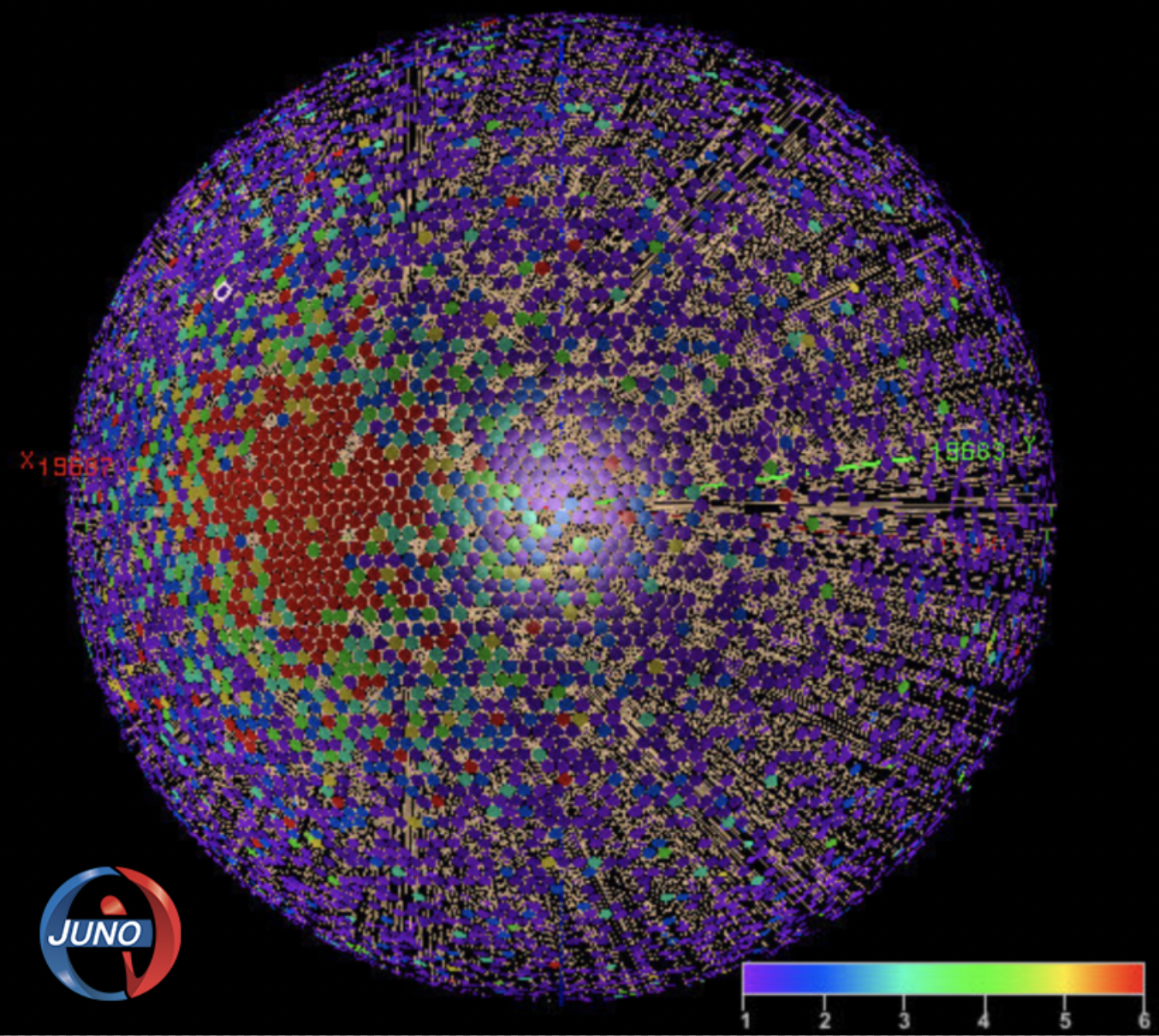
We know the first results of the JUNO Neutrino Experiment.
The Jiangmen Underground Neutrino Observatory (JUNO) marked a major milestone in August 2025 as it began recording physics data. Within just two months, the experiment delivered results that outperformed findings from international projects running for more than twenty years, highlighting the extraordinary capabilities of the detector.
Data gathered between 26 August and 2 November 2025 presents JUNO’s first scientific results, delivering the most accurate values to date of several key neutrino oscillation parameters. The findings open new implications for research into the origin of neutrino mass. [1], [2].
Determination of the value and the comprehension of the origin of neutrino masses and flavour mixing is connected to major open questions in cosmology and astrophysics, including the matter–antimatter asymmetry of the universe, the nature of dark matter, and the evolution of astrophysical objects. Such precise measurements of neutrino oscillation parameters open also the door to more accurate tests of the completeness of the three-neutrino model.
"JUNO is becoming a fundamental experiment for neutrino physics and neutrino cosmology in the coming decades." Vít Vorobel
“JUNO is becoming a fundamental experiment for neutrino physics and neutrino cosmology in the coming decades. By combining cosmological observations and beta decay research, JUNO's precise results will provide an unprecedented narrowing of the range of many models of neutrino mass origin and neutrino mixing, and for new physics beyond the Standard Model,” explains Vít Vorobel, who is scientific team leader of the Faculty of Mathematics and Physics at Charles University.
Neutrino oscillations indirectly indicate that neutrinos have non-zero masses, which is widely accepted as experimental evidence of physics "beyond the Standard Model." Neutrino oscillations are described by six parameters: two mass square differences ∆m221, ∆m232, three mixing angles θ12, θ13, θ23, and one phase δCP, which violates CP invariance. Currently, the value of δCP and the sign of ∆m322, which determines whether the neutrino state ν3 is heavier or lighter than the states ν1 and ν2, remain unknown – the so-called "neutrino mass ordering question."
Data collected by the JUNO experiment in the short time span between August 26 and November 2, 2025, provide the world's most accurate determination of two neutrino oscillation parameters. The accuracy of the mixing parameter sin2 θ12 was improved by a factor of 1.8 from 5.1% to 2.8% compared to previous measurements, and the precision of the mass square difference ∆m212 was improved by a factor of 1.5 from 2.5% to 1.6%.
JUNO is designed for 30 years of scientific operation with the possibility of upgrading to a world-leading experiment investigating double beta decay. Such an upgrade would determine the absolute values of neutrino mass and investigate whether neutrinos are Majorana particles. In doing so, it addresses fundamental questions linking particle physics, astrophysics, and cosmology that shape our understanding of the universe.
More about JUNO:
JUNO unites over 700 researchers from 74 institutions in 17 countries and regions, predominantly from China and Europe. Since the establishment oft he JUNO collaboration in 2013, a group of scientists and students from theFaculty of Mathematics and Physics of the Charles University has been an active member of the collaboration. The team leader is Vít Vorobel from the Institute of Particle and Nuclear Physics.
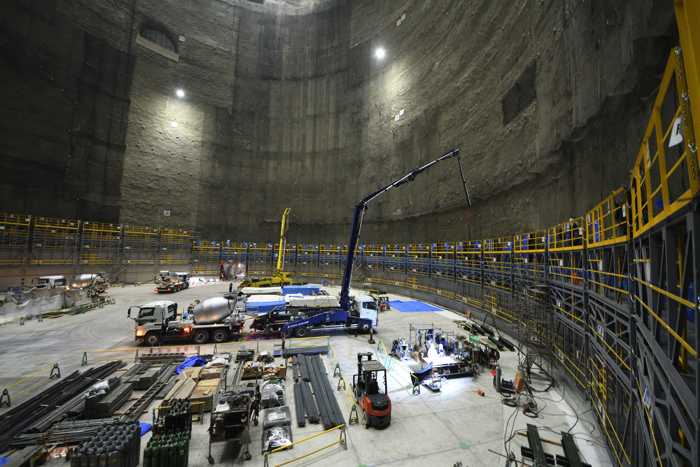
JUNO is in southern China near city Jiangmen Guangdong Province. The device is located 700 metres underground, capable of detecting antineutrinos produced by the Taishan and Yangjiang nuclear power plants, located 53kilometres away, and measuring their energy spectrum with the highest accuracy.Contrary to alternative approaches, the determination of the order of neutrino masses in the JUNO experiment does not depend on the effect of passing of neutrinos through the Earth's mass.
At the heart of the JUNO experiment there is a central liquid scintillator detector, located in the center of a cylindrical water pool. The stainless steel structure, with a diameter of 41.1 meters, supports an acrylic sphere filled with scintillator, with a diameter of 35.4 meters, 20,000 20" photomultipliers, 25,600 3" photomultipliers, electronics, cabling, magnetic field compensation coils, and optical panels. The photomultipliers operate independently, capturing light from scintillation interactions and converting it into electrical signals.
ELEMENTARY particle PHYSICS
Explore the world of elementary particle physics.
astroparticle physics
Take a closer look at the ideas behind astroparticle physics.
.jpg)
Upgraded telescope prototypes installed in step towards cheaper, scalable cosmic particle observatories
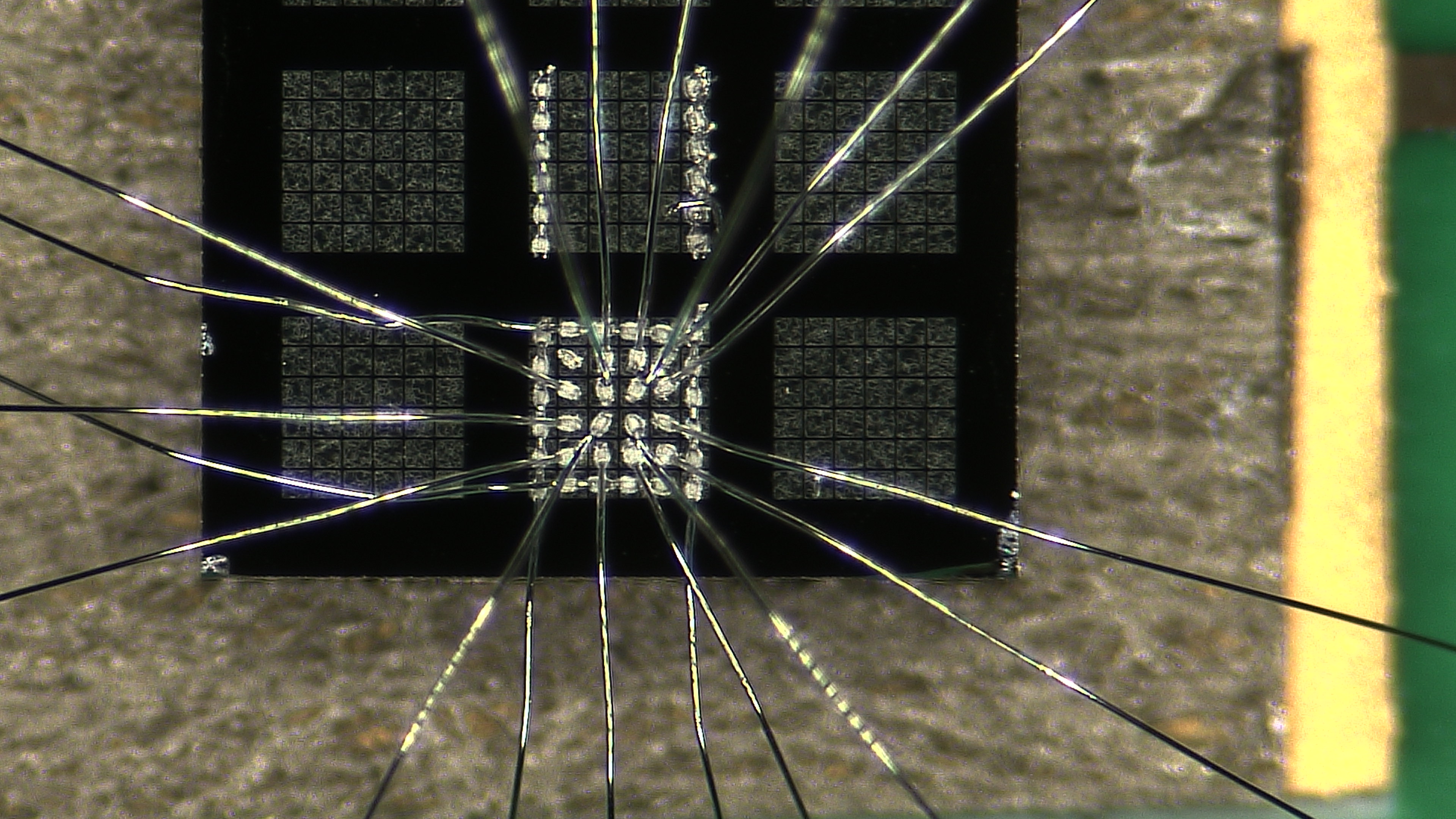
FORTE researchers from the FZU/PU Joint Laboratory of Optics installed two upgraded fluorescence telescope prototypes at the Pierre Auger Observatory in March, carrying out calibration and testing as part of a wider effort to develop a new, lower-cost approach to observing the universe’s rarest high-energy particles.
The next stage of the work will focus on analysing the collected data and preparing for stereo observations, where overlapping fields of view are used to reconstruct atmospheric particle showers with greater precision. If successful, the approach could enable much larger and more cost-effective observatories capable of probing the highest-energy particles in the universe.
The installation is part of the Fluorescence detector Array of Single-pixel Telescopes (FAST) project, an international collaboration involving researchers from the Joint Laboratory of Optics and partners in Japan, Germany and Italy. The project is focused on designing a simplified telescope system that can be produced at lower cost and deployed in large numbers to cover far greater areas of sky than current facilities.
The need for such an approach stems from the extreme rarity of ultra-high-energy cosmic particles. A particle with an energy of 10¹⁹ eV is expected to hit an area of one square kilometre roughly once per year, while a particle with 10²⁰ eV arrives only once per century. Even the Pierre Auger Observatory in Pierre Auger Observatory, which spans 3,000 square kilometres, is not large enough to collect sufficient high-statistics data at the highest energies.
.jpeg)
FAST addresses this limitation by redesigning the telescope itself, prioritising scalability and reduced production cost. The system is based on a simplified optical and electronic architecture intended to make large arrays feasible over vast distances.
Several technical changes underpin this approach. Earlier prototypes used mirrors composed of nine segments and the new design reduces this to four. A revised manufacturing process removes the need for manual polishing after thermal shaping, cutting both production time and cost. The electronics have also been redesigned into a modular system with lower noise levels, scalable from eight to 48 channels.
Each telescope prototype uses a 30° x 30° field of view, utilizes the fluorescence detection technique and is designed for autonomous operation, powered by solar panels and equipped with directional antennas for data transmission, allowing deployment in remote locations without extensive infrastructure. The modular concept extends to large-scale operation. A single “master” unit containing control and data acquisition systems can coordinate a 360-degree array of 12 telescopes, opening the way towards observatories covering tens of thousands of square kilometres.
The telescopes themselves detect air showers produced when high-energy particles enter Earth’s atmosphere and collide with air molecules at altitudes of around 40 km. These cascades emit fluorescence light from excited nitrogen molecules, which can be measured to determine the energy of the original particle.
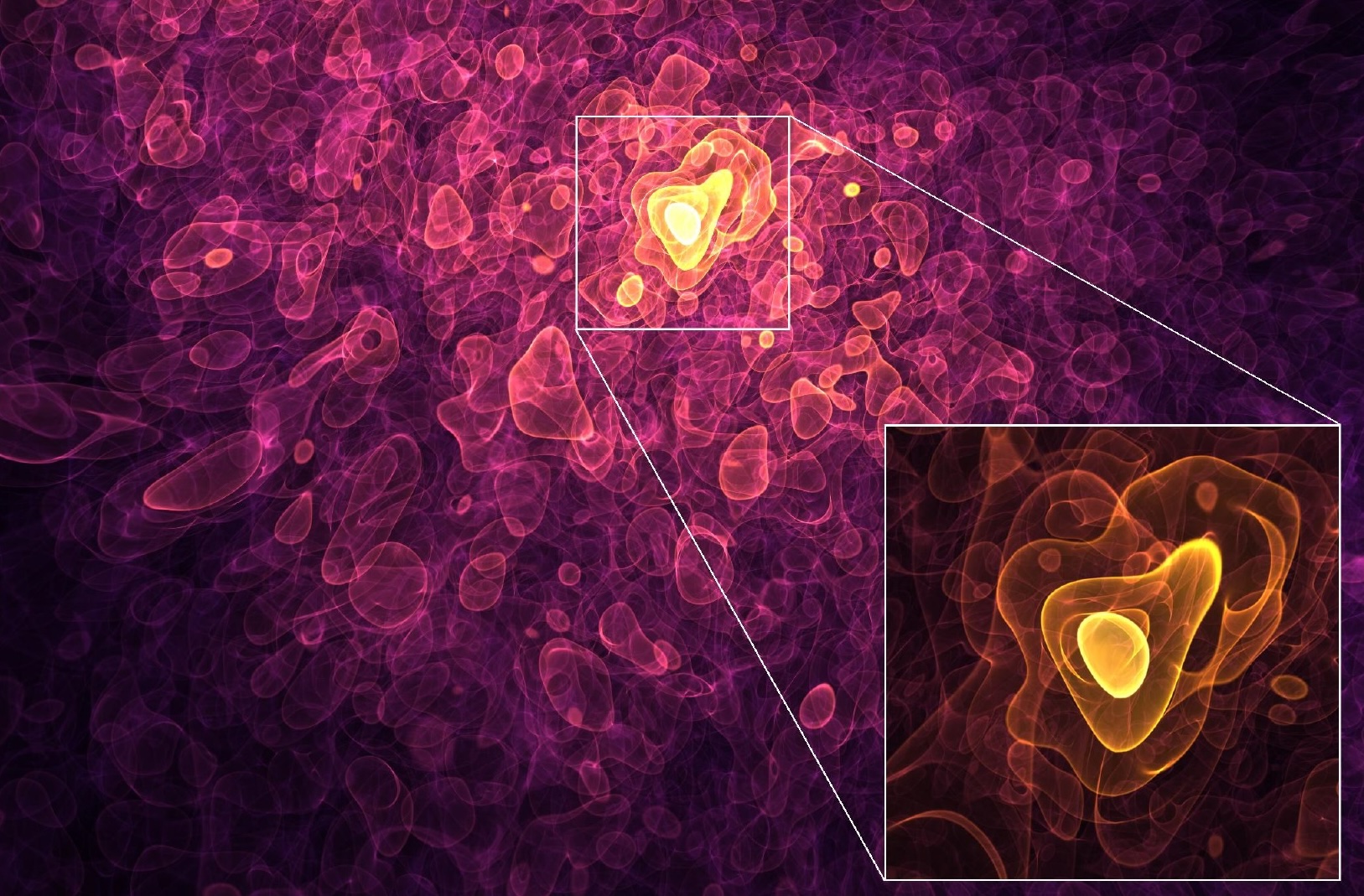
The Hunt for Ultra-Light Dark Matter: Listening to the Invisible
We usually imagine dark matter as a swarm of heavy, invisible particles. But are there other possibilities? What if dark matter isn't a storm of sand, but rather a vast, invisible ocean that hums?
The invisible web of dark matter makes up more than a quarter of the cosmos and indirectly affects all other forms of matter and energy through its gravitational pull. Astronomers derive its presence by observing stars, galaxies, clusters of galaxies, and a relict ancient light from a time when the Universe was only about 380 000 years old.
Despite decades of searching using ultra-precise detectors built with cutting-edge technology, we have never directly detected these dark matter particles in our laboratories. However, recent technological advances enable us to push the detection sensitivity to new levels; we are currently living through a golden age for dark matter science.
A Universe That Hums
The standard model of cosmology and dark matter struggles to explain certain fine-scale properties, such as the inner structure of dwarf galaxies or the abundance of satellite galaxies orbiting the Milky Way. Ultra-light dark matter, also called wave dark matter, is an entirely different proposition. In this concept, dark matter consists of particles so incredibly light that they behave more like waves moving through the cosmos rather than individual billiard balls.
Because ultra-light dark matter acts like a wave, we don't catch it by smashing atoms together. Instead, we "hear" it through careful listening. "Think of it as a background hum," explains Federico Urban of the FORTE team. " Latest advancements in the field of quantum sensing have led to a significant progression in laboratory searches for these signals."
At FORTE, we try to listen to the hum of the wave-like Universe through the distinctive approach of combining laboratory experiments with astrophysical observations. The FORTE team is tuning in across all frequencies to explore the unknown properties of dark matter, listening carefully to the whispers of the dark Universe.
Terrestrial Quantum Sensors:
For our research we use data from some of the most sensitive instruments ever built. We also design new experiments that are uniquely geared to catch the dark matter waves and, if we are successful, determine its properties such as its mass and how it interacts with light and ordinary matter.
Gravitating Seismographs: Gravitational wave detectors use lasers bouncing between mirrors to measure ripples in spacetime itself. If a dark matter wave washes through, it will set the mirrors trembling, creating shifting interference patterns that we can observe.
Quantum Echo Chambers: Experiments such as QUAX or MADMAX act like high-precision bells. We wait for the "wind" of dark matter to strike them, causing the resonant cavities to ring at a specific microwave frequency.
Atomic Rulers: Atom interferometers and atomic clock networks enable physicists to measure time and distance with extraordinary precision. If a wave of dark matter passes through the laboratory, it could subtly disturb the ticking of these clocks or the position of the atom clouds – and we can detect these tiny disturbances.
Levitated Sensors: Suspending tiny particles in vacuum using lasers or magnetic fields and monitoring their vibrations, enables physicists to detect waves of dark matter passing through.
The Cosmic Laboratory:
Our search doesn't stop at the laboratory door. The Universe itself provides us with natural detectors on a truly colossal scale. FORTE researchers analyse astrophysical data to find the fingerprints of ultra-light dark matter in the sky:
Cosmic Lighthouses: Astronomers monitor pulsars – dead stars that spin hundreds of times per second with an astonishingly regular frequency, beaming radio waves to the Earth like a lighthouse. They are amongst the most precise clocks in the entire Universe. If the space between Earth and a pulsar is filled with travelling dark matter waves, the arrival time of those flashes will flicker. We analyse data from pulsar timing arrays, a collection of radio telescopes observing pulsars, to hunt for these minute variations.
Black Hole Superradiance: Rotating black holes can “grow” a cloud of dark matter around them, similar to an electron cloud surrounding an atomic nucleus. This process, called superradiance, extracts rotational energy from the black hole, slowing its spin and emitting continuous gravitational waves that we can detect on the Earth; these gravitational waves then teach us about the dark matter clouds that triggered them.
Warped Galaxies: By using observations related to how star clusters, the dynamics of satellite haloes, and how stellar streams move around larger galaxies, we map the texture, called "granularity", of dark matter haloes to determine whether their motion matches the wave-like patterns predicted by our models.
Cosmology and gravity
Join us in understanding the Universe.
we aim for global imPACT
Our science will be carried out through our globe-spanning network of international collaborations with laboratories and observatories, while building on partnerships with local institutions. We serve the nation and the world.